
Creating Your Adult Relaxation Zone at Home
Design a dedicated space for rest and recovery. We'll walk you through lighting, acoustics, furniture, and layout principles that actually help you unwind.
Why You Need a Dedicated Space
Life gets busy. Work bleeds into evenings, family demands pull you in different directions, and you're constantly managing something. You know this. What you probably don't realize is that your brain needs a physical space to truly disconnect — not just from work, but from the mental patterns that keep you wound up.
A relaxation zone isn't luxury. It's functional. Studies on recovery show that when your environment actively supports calm — through sound dampening, appropriate lighting, and thoughtful furniture placement — your nervous system actually shifts into a parasympathetic state. That's not marketing language. That's biology.
The good news? You don't need a massive budget or spare room to create this. We've helped people transform corners of dens, sections of bedrooms, and even areas of finished basements into genuine recovery spaces. What matters isn't size. It's intention.
Lighting: The Foundation of Calm
This is where most people get it wrong. They think "relaxation" means dim. It doesn't. What you actually need is layered lighting that you can control. Bright overhead lights keep your nervous system alert — they're useful for cleaning or work, not for unwinding.
Start with indirect sources. Wall sconces at about 40-50 inches high, placed on either side of your seating area, work beautifully. Add a floor lamp with a dimmer behind or beside your chair. Include one warm-toned table lamp (2700K color temperature, not the cold 5000K). The idea is to create pools of soft light rather than uniform brightness.
Natural light matters too. If your space gets afternoon sun, install simple linen curtains or cellular shades that filter light without blocking it entirely. On days when you're tense, that gentle diffused daylight genuinely helps. You'll notice the difference in two weeks.
- Use 2700K warm-white bulbs (not 4000K or 5000K)
- Install dimmers on at least 80% of your lighting
- Avoid overhead lights as primary source
- Position lights to eliminate harsh shadows on seating
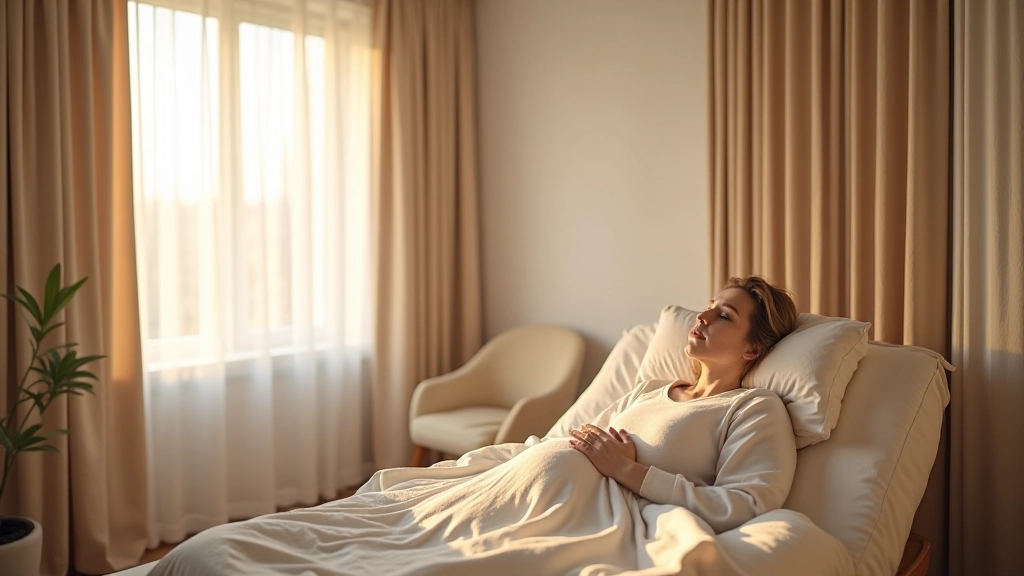
Sound Control: Creating Quiet
Noise from the hallway, kitchen, or outside drains your ability to truly relax. The solution isn't silence — it's controlled sound. You're managing what reaches your ears, not eliminating all noise.
Heavy curtains do real work here. They absorb high-frequency sound and reduce echo. A thick rug (8x10 minimum) on the floor dampens impact noise from above. Area rugs add warmth and sound absorption simultaneously. If your space has hard walls, add a textile wall hanging or two — doesn't need to be decorative, function matters more.
For doors, weather stripping around frames costs about $15 and noticeably reduces sound transmission. If you've got a window, consider cellular shades designed for noise reduction — they trap air pockets that absorb sound.
Don't overlook white noise machines or apps. They're not a replacement for physical sound control, but they mask unpredictable household noise effectively. We've found that a combination approach — physical dampening plus consistent background sound — works better than either alone.
Furniture That Actually Supports Rest
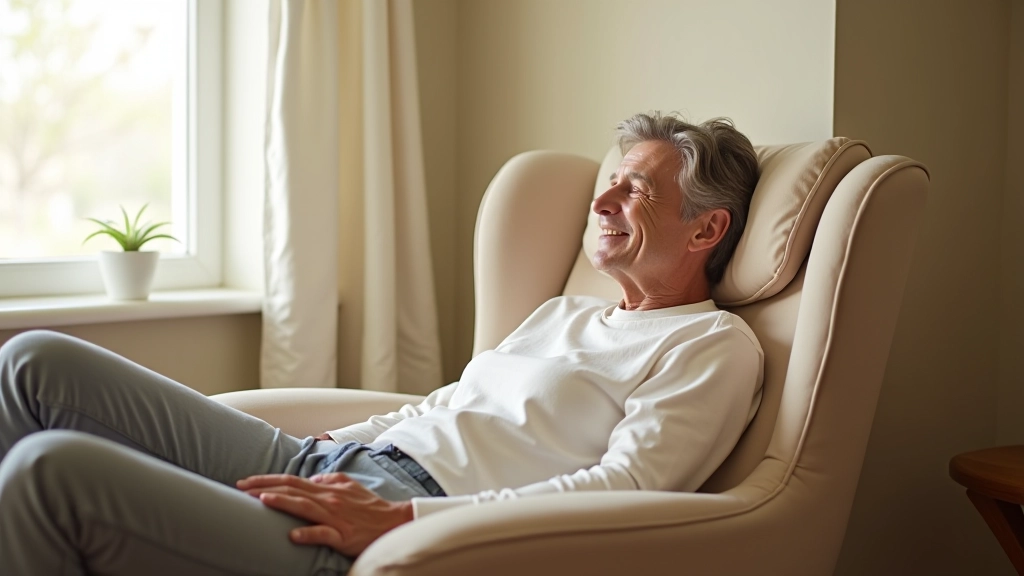
Your primary piece — whether it's a chair, recliner, or chaise — needs to support your body in multiple positions. Cheap recliners often fail here because they're either too firm or have awkward lumbar support. Test anything for at least 20 minutes before buying. That's not being difficult. That's due diligence.
What works: A quality reading chair with good arm height (around 24-26 inches) that lets your forearms rest naturally. Ottomans that allow you to elevate your legs. Proper back support at a 120-degree angle — that's the sweet spot between upright and fully reclined.
Secondary pieces matter too. A small side table within arm's reach for water, tea, or a book. Shelving for items you want nearby but off the floor. Nothing creates visual clutter faster than surface clutter, and visual chaos fights relaxation.
Pro tip: Choose a chair with washable slipcovers. Relaxation zones get used — coffee spills happen. You want something you'll actually maintain.
Layout Principles That Work
Space planning for relaxation differs from living room design. You're not hosting. You're not showing off. You're creating functional recovery.
01
Position Away from Doors
Your seating should face away from entry points. Psychologically, you're less alert when you're not watching who might come in. Even subtle, you'll feel the difference.
02
Minimize Visual Lines to Activity
Don't position yourself where you can see the TV, kitchen, or workspace from your relaxation spot. Your brain won't let go if there's work visible in your peripheral vision.
03
Control Temperature Nearby
If possible, position your seating near a thermostat or within reach of a space heater. Temperature fluctuations pull you out of relaxation constantly.
04
Create a Buffer Zone
If your relaxation area is in a shared room, define it with rugs or furniture arrangement. Visual separation matters as much as physical separation.
Getting Started: A Realistic Approach
You don't build this overnight. Start with what you've got. If you have a chair you actually like sitting in, that's your foundation. Add lighting next — it's the fastest, cheapest improvement. Then handle sound issues. Finally, optimize furniture and layout.
Most people spend between $400-$800 on a basic setup if they're starting from scratch. That's a decent chair ($300-$400), lighting ($100-$150), and textiles for sound control ($100-$200). You're not furnishing a showroom. You're solving a problem.
One final thing: protect this space. Set boundaries about when you're available in that room. Tell family members it's your recovery time. Sounds simple, but the psychological commitment matters as much as the physical setup. You're not being selfish. You're being functional. Rest isn't a luxury — it's maintenance.
Key Takeaways
- Layered, dimmable lighting in warm tones (2700K) is non-negotiable
- Sound control through textiles and weather sealing transforms the space
- Furniture must support your body at 120-degree recline angle
- Layout should minimize visual access to activity and work areas
- Start small and build gradually — this doesn't require major renovation
- Protect your space psychologically with boundaries and consistent use
Ready to design your space? Start by identifying your primary seating location and upgrading your lighting. You'll notice changes within a week.
Related Articles
Disclaimer
This article provides general guidance on designing relaxation spaces for home comfort. The information shared reflects common design principles and personal preferences. Individual results vary based on personal needs, space constraints, and preferences. Lighting specifications, furniture recommendations, and layout suggestions are informational and not prescriptive. Consult with interior designers or acoustic specialists for personalized advice specific to your space. Always follow manufacturer guidelines for lighting products, furniture assembly, and safety. We're not medical professionals — if you're experiencing sleep issues or anxiety that impacts daily life, speak with a healthcare provider.