

Home Improvement Guide
Energy Efficiency Upgrades That Actually Save Money
Insulation, windows, HVAC improvements — we break down what works, realistic timelines, and where to focus your budget first for maximum impact.
Why Energy Upgrades Matter for Your Home
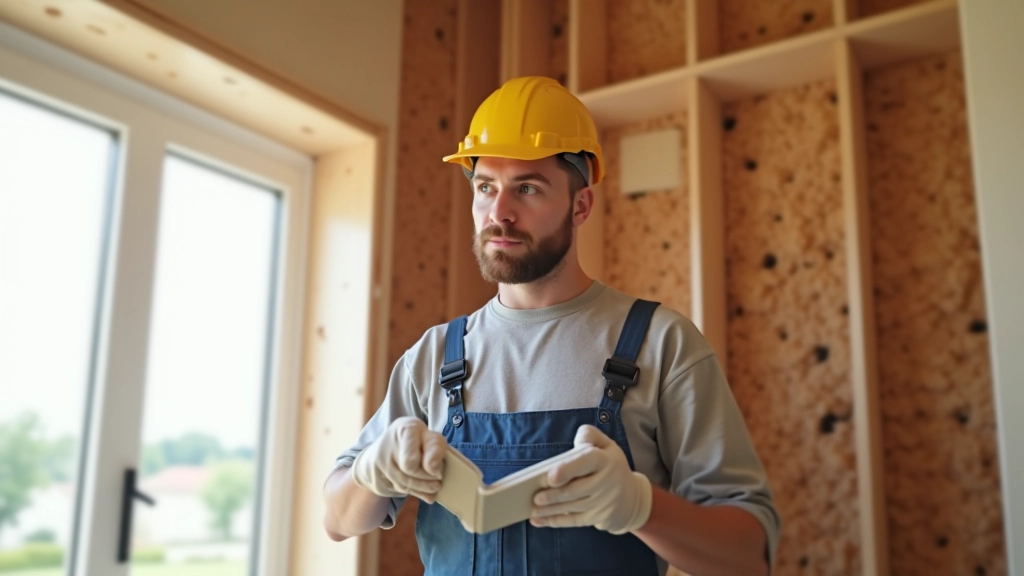
Here's the thing — most people assume energy efficiency means sacrificing comfort or spending a fortune upfront. That's just not accurate. We've looked at what actually works, and the numbers are pretty convincing. The average household spends around $1,400 annually on heating and cooling alone. Even modest improvements can shave 15-30% off that bill, which really adds up over time.
The key isn't doing everything at once. You don't need a complete overhaul. Smart upgrades in the right order — focusing on where you lose the most energy — deliver real savings without breaking your budget. We'll walk you through the upgrades that matter most, what to expect in terms of cost and payback, and how to prioritize when you're just starting out.

Start with Your Attic — It's Your Biggest Energy Leak
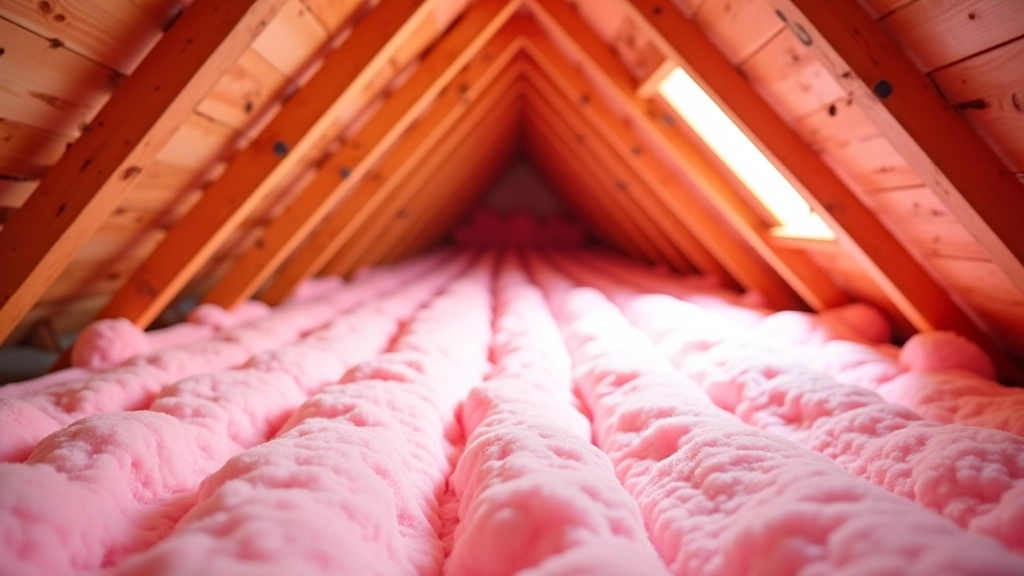
Heat rises. That's physics, and it's working against your heating bills every winter. Most homes lose 15-25% of their heating through an inadequately insulated attic. If your attic insulation is thinner than 8 inches, you're probably hemorrhaging energy.
The good news? Adding attic insulation is one of the most cost-effective upgrades you can make. We're talking about a 4-6 year payback period on average, and then you're just saving money. You can use fiberglass batts, blown-in cellulose, or spray foam. Fiberglass is the cheapest option at around $0.50-$1.50 per square foot installed. You'll want to bring your attic up to R-38 to R-60 depending on your climate zone.
Pro tip: Before you add insulation, seal air leaks around recessed lighting, ductwork, and where electrical wires pass through. Those gaps undermine your insulation investment. Air sealing alone can save 10-15% on energy costs before you even touch insulation.

Windows: Replace Strategically, Not All at Once
Windows are a hot topic in home improvement conversations, and there's a lot of conflicting advice out there. Let's be direct: if you've got single-pane windows, especially on the north or west-facing sides of your home, replacement makes sense. But you don't necessarily need to replace every window immediately.
Double-pane windows with low-E coatings are what you're after. The low-E coating is a microscopically thin layer that reflects heat back into your home in winter and blocks it in summer. New windows typically cost $300-$800 per window installed. You're looking at a 7-10 year payback if you live in a cold climate, longer if you're in a milder region.
Here's what we'd suggest: start with your oldest windows, prioritize south and west-facing exposures, and don't neglect weatherstripping on existing windows. Quality weatherstripping costs maybe $50-$100 and can reduce air infiltration by up to 50%. That's often a smarter first move than replacement.
Your HVAC System: Efficiency That Pays Dividends
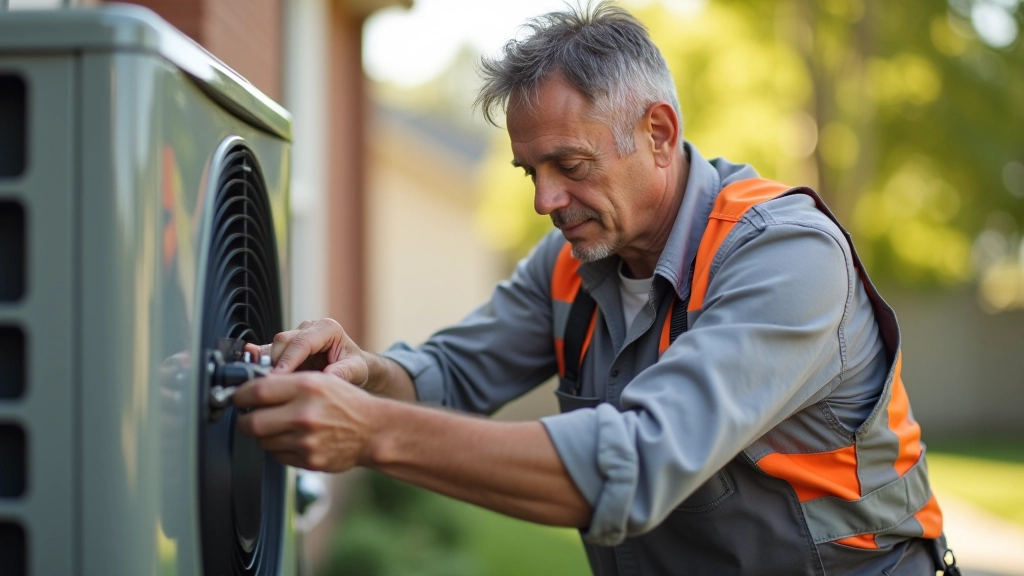
HVAC systems account for about 40-50% of your home's energy consumption. If your system is 15+ years old, it's probably operating at 60-70% efficiency. Modern systems run at 95%+ efficiency. That gap represents real money leaving through your ducts every single month.
Replacing an entire HVAC system isn't cheap — you're looking at $5,000-$10,000 depending on your home's size and system type. But the payback is faster than you'd think. A properly sized, modern high-efficiency system can reduce heating and cooling costs by 30-40%. In many regions, you qualify for tax credits and utility rebates that cover 25-30% of the cost.
Before you replace the whole system, though, get a professional tune-up. Cleaning your furnace, checking refrigerant levels, sealing duct leaks, and replacing your filter with a high-quality option can improve efficiency by 5-15% for under $300. You might squeeze another 5-10 years of service out of an older system with proper maintenance.
Prioritize: Where Your Money Goes First
Not all upgrades deliver equal returns. Here's the realistic ranking based on cost, payback period, and impact:
1
Air Sealing & Weatherstripping
Cost: $200-$500. Payback: 1-2 years. Impact: 10-15% energy reduction. This is where you start. Every other upgrade is more effective when air leaks are sealed first.
2
Attic Insulation
Cost: $1,500-$3,000. Payback: 4-6 years. Impact: 15-20% energy reduction. The return on investment is solid, and it's less invasive than other major upgrades.
3
Basement/Crawlspace Insulation
Cost: $2,000-$5,000. Payback: 5-8 years. Impact: 10-15% energy reduction. Often overlooked, but heat loss through foundations is significant.
4
Window Replacement (Selective)
Cost: $3,000-$8,000. Payback: 7-15 years. Impact: 5-10% energy reduction. Do this after insulation improvements. Start with worst-performing windows only.
5
HVAC System Replacement
Cost: $5,000-$10,000. Payback: 5-8 years. Impact: 30-40% energy reduction. Do this when your system actually needs replacement, not before.
Practical Steps to Get Started
Step 1: Get an Energy Audit
You can't improve what you don't measure. A professional energy audit (around $300-$500) uses thermal imaging to show exactly where you're losing heat. Many utility companies offer discounted or free audits. This tells you whether you really need new windows or if your attic is the problem. It's money well spent.
Step 2: Prioritize Based on Your Climate
In cold climates, insulation and air sealing matter most. In hot climates, window upgrades and AC efficiency take priority. Don't follow generic advice — follow what makes sense for where you live. Your audit will guide this.
Step 3: Check for Rebates and Tax Credits
The federal government offers tax credits up to $3,200 for energy efficiency improvements through 2032. Your state and utility company might offer additional rebates. These can knock 20-30% off your costs. Check the Database of State Incentives for Renewables and Efficiency (DSIRE) for what's available in your area.
Step 4: Get Multiple Quotes
For major work like HVAC replacement or insulation, get three quotes from licensed contractors. Prices vary significantly. Don't just go with the lowest — check reviews, credentials, and warranties. A $2,000 difference isn't uncommon for the same work.

"The best energy upgrade is the one you actually do. Don't get paralyzed waiting for the perfect plan — start with air sealing and insulation, then move forward from there."
Moving Forward with Your Home
Energy efficiency isn't about extreme sacrifice or spending your entire savings account. It's about making smart decisions with the information you have. You don't need to do everything at once. Start small — seal your air leaks, boost your attic insulation, get your HVAC system tuned up. These moves are affordable, deliver real savings, and build momentum for bigger upgrades down the line.
The families we know who've invested in efficiency upgrades tell us the same thing: they notice the difference in comfort first, then the savings show up on their utility bills. Your home becomes more livable, your energy costs drop, and you're not throwing money at solutions that don't work. That's the realistic return on energy efficiency.
Ready to explore what makes sense for your home? Start by scheduling that energy audit.
Learn About Energy Audits in Your AreaDisclaimer
This article provides general educational information about home energy efficiency upgrades. Actual energy savings, costs, payback periods, and available incentives vary significantly based on your location, home size, current condition, climate zone, local utility rates, and contractor pricing. The figures presented here are averages and examples only — not guarantees of specific results in your situation. Always consult with licensed, qualified contractors and conduct a professional energy audit specific to your home before making decisions about major upgrades. Check with your local utility company and state government for current rebate programs and tax incentives, as these change frequently. Costs and timelines mentioned reflect 2026 market conditions and may vary. This content is informational only and should not be considered professional advice.
Related Articles