Designing a Child-Friendly Bedroom That Actually Works
Storage that fits their reach, lighting they can control, and layouts that grow with them. We cover the essentials that make real-world parenting easier.
Why Room Design Actually Matters
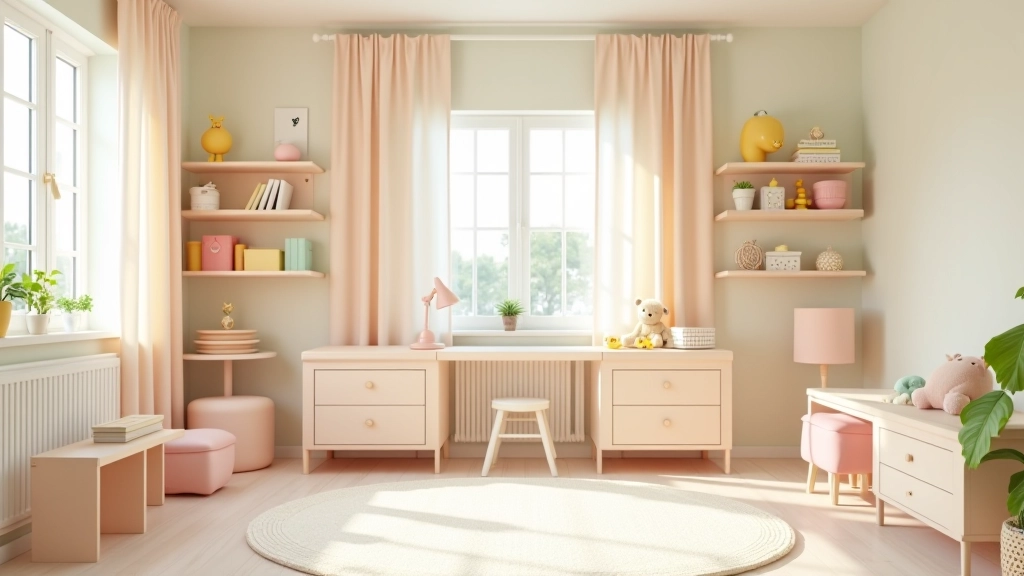
Here's what we've learned: a well-designed kid's bedroom isn't about Pinterest perfection. It's about creating a space that works for your family. Kids spend roughly 8-10 hours sleeping there, plus homework time, play, and quiet moments. That's a lot of hours in one room.
The rooms that actually function have a few things in common. Storage that's accessible without your help. Lighting that doesn't require climbing a ladder to change. Furniture that'll fit more than one growth spurt. We've seen families transform their kids' spaces by focusing on these practical elements instead of trendy decorations.
This guide walks you through what matters most — the things that'll genuinely improve daily life for both you and your kids.

Storage They Can Actually Reach
This is the single biggest game-changer we've seen. When your 6-year-old can grab their own clothes or put toys away without asking, everything changes. You're not their personal retrieval service anymore.
Measure from the floor. Most kids between 4-8 can access shelves up to about 48-54 inches. Teenagers can obviously go higher, but the principle stays the same. Lower shelves for daily items, higher shelves for things they use less often. Don't cram everything into one closet — spread storage around the room where it's actually useful.
Open shelving works better than closed cabinets for kids. They can see what they have and grab it without struggle. Bins with labels (even picture labels for younger kids) help them return things to the same spot. We're not talking perfect organization here — just organized enough that the room doesn't descend into chaos by Wednesday.
Lighting That Doesn't Drive You Crazy
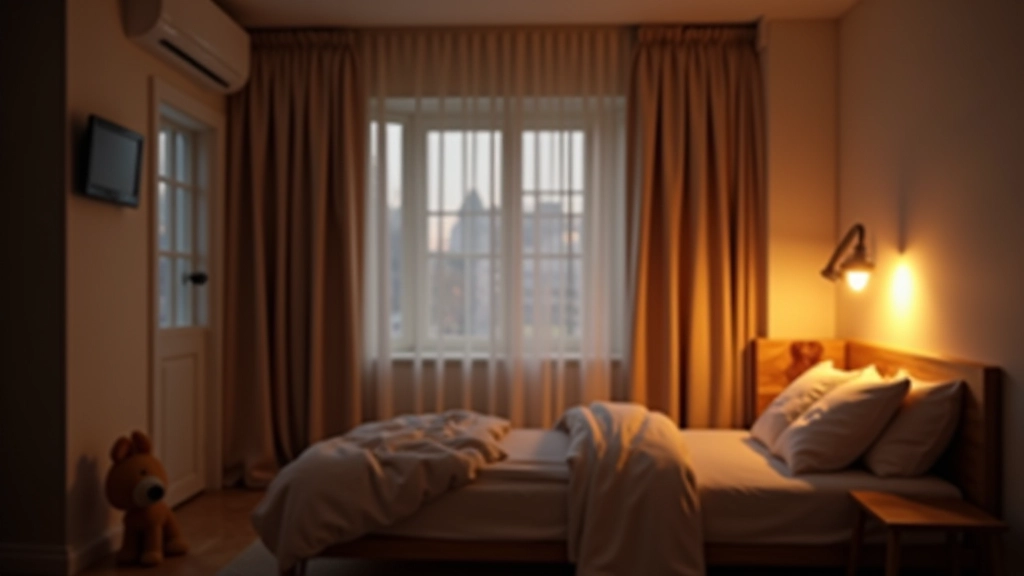
You'll need multiple light sources. Not because it looks nice, but because kids need different lighting for different activities. Reading requires focused light. Playing needs general brightness. Bedtime needs dim and calming.
Start with a good ceiling fixture for overall brightness. Add a bedside lamp or wall-mounted reading light for focused tasks. Include a small accent light — even just a basic plug-in option — that creates softer ambiance for wind-down time. If your kids are old enough (usually 8+), consider switches they can reach and operate independently. Wall-mounted dimmer switches are worth the small installation cost.
LED bulbs save money and last forever. Most run cool to touch, which matters when curious hands are involved. Warm-white bulbs (2700K) create a relaxing feel in the evening. Cooler tones (4000K) work better for homework areas. You don't need to overthink this — just avoid harsh bright white light that feels institutional.
Furniture That Grows With Them
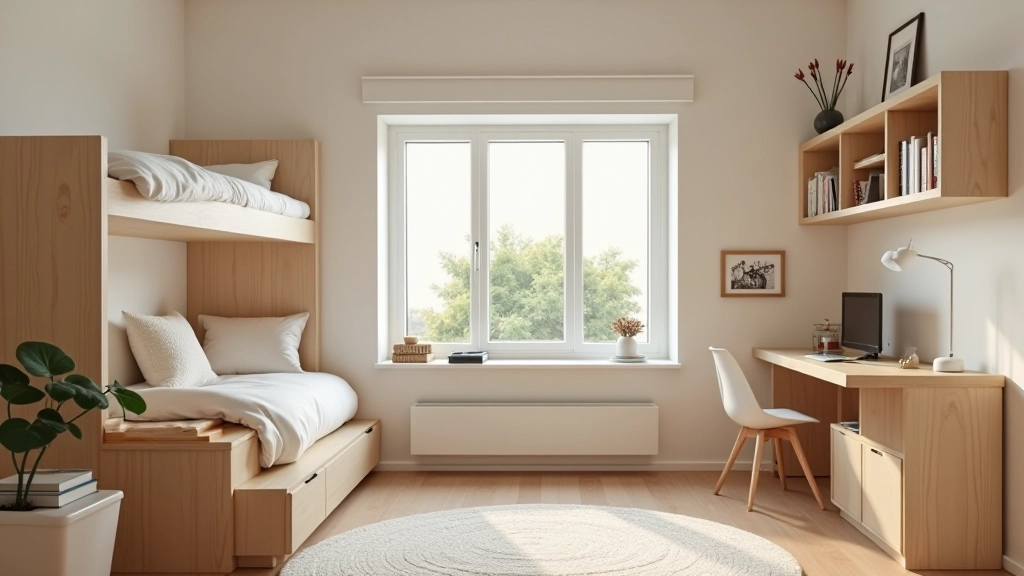
Kids change fast. Your 5-year-old won't fit the same furniture at 12. Instead of replacing everything every few years, choose pieces that adapt.
Adjustable-height desks let you raise them as kids grow taller. Under-bed storage boxes work when they're young, then become actual storage in their teens. Bed frames with adjustable rails can accommodate different mattress sizes. A simple dresser works from age 3 through high school if you pick a neutral style.
Avoid theme-heavy pieces — the pirate ship bed that's adorable at age 6 becomes embarrassing at age 12. Neutral wall colors and basic furniture keep the room feeling fresh when they want to redecorate. Let them personalize with bedding, posters, and accessories that change without major renovation.
Safety Details That Actually Prevent Problems
Most accidents in bedrooms are preventable with basic precautions. Secure tall furniture to walls — dressers and bookcases can tip over if climbed. Use corner guards on sharp furniture edges. Keep electrical outlets protected and cords out of reach.
Windows need proper coverings. Cordless blinds aren't just trendy — they're genuinely safer for young kids. If you use traditional blinds, tie cords up high where little hands can't get tangled. Install window guards on upper-story bedrooms if kids like to play near windows.
Choose non-toxic paint and finishes. Look for low-VOC options that don't off-gas for months. Test new furniture in a well-ventilated space before bringing it in. These steps take minimal effort but make a real difference in indoor air quality.
Creating Functional Zones in One Room
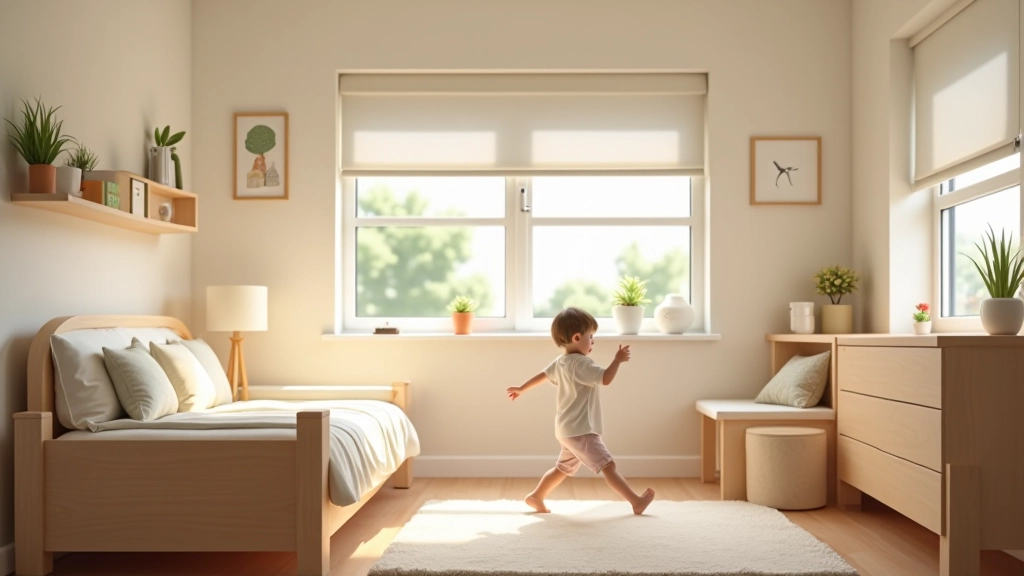
Most kids' bedrooms need to do multiple jobs. Sleep happens here, sure. But homework, play, and getting dressed all happen in the same space.
Sleep Zone
Bed placement matters. Face it away from the window if possible to reduce early-morning light. Keep it clear of clutter so the room feels calm for sleeping. A small nightstand for water and books is enough.
Work Zone
Desk placement near natural light is ideal for homework and creative work. Position it away from the bed so they can mentally separate work from relaxation. Make sure there's room for supplies without it becoming a disaster zone.
Play/Storage Zone
Open floor space for playing is valuable, especially for younger kids. Keep it somewhat separate from the sleep zone. Storage in this area makes cleanup easier and keeps the rest of the room from becoming a toy explosion.
Color and Personality Without Overwhelming
Don't paint everything in your kid's current favorite color. That green they love at age 7 might feel babyish at age 10. Instead, use neutral walls and add color through changeable elements.
Soft, muted tones work better than bold primaries on large surfaces. They're calming, easier on the eyes, and don't date quickly. Think soft sage, warm beige, or gentle gray rather than bright turquoise or hot pink. If they want color, it goes on the bedding, posters, and accessories — things you can swap out without repainting.
One accent wall works if you choose carefully. A slightly deeper tone of your wall color or a subtle pattern keeps things interesting without feeling chaotic. We've seen families use peel-and-stick wallpaper for accent walls — removable and renter-friendly if needed.
Putting It All Together
A functional kid's bedroom doesn't require a major budget or professional designer. It requires thinking about how your specific kids will actually use the space. Storage at their level. Lighting they can control. Furniture that adapts as they grow. Layout that separates different activities. Safety features that prevent problems.
Start with what you have and make one or two changes that'll have the biggest impact. Maybe it's adding accessible storage. Maybe it's improving the lighting. Maybe it's rearranging to create separate zones. You don't need to redesign everything at once.
The goal isn't a showroom-perfect bedroom. It's a space that functions well, grows with your kids, and doesn't require constant maintenance from you. That's actually works.
Ready to Redesign?
Start with a room walkthrough. What frustrates you most? What would make daily life easier? Those answers guide your priorities.
Get Design TipsInformation Disclaimer
This article provides general guidance for designing child-friendly bedrooms. Circumstances vary based on your specific space, budget, children's ages, and preferences. For safety concerns, consult with professionals. Always verify local building codes and safety standards. We've aimed for practical advice, but your situation may require different solutions.