Multi-Purpose Rooms: Making One Space Work for Everyone
Transform a single room into a flexible space that adapts to your family's changing needs — from homework hub to guest bedroom to home gym.
Why One Room Needs to Do Multiple Jobs
Not everyone has the luxury of a dedicated office, guest room, and exercise space. Real life means working with what you've got. The good news? You don't need a sprawling house to live comfortably. What you need is smart design that works hard for you.
A multipurpose room isn't about cramming everything into a small space — it's about creating zones that coexist peacefully. When you walk into the room in the morning, it's your workspace. By evening, it's your sanctuary. With the right approach, transitions between uses feel natural, not chaotic.
The Foundation: Creating Distinct Zones
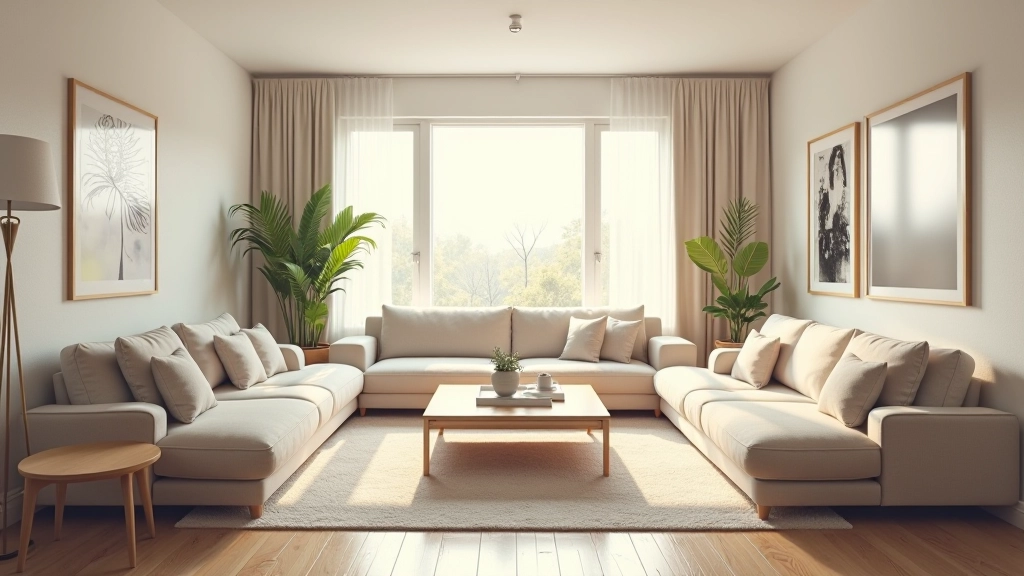
Zoning is where the magic happens. You're not physically dividing the room — you're using furniture, lighting, and subtle cues to define different areas. A work zone feels separate from a relaxation zone, even though they're in the same 200 square feet.
Start with anchors. A desk creates a work zone. A low bookshelf (not floor-to-ceiling) can visually separate a sleeping area from the rest of the room. Rugs define zones beautifully — they're like invisible walls that don't actually block sightlines. You'll want different rugs or at least distinct rug edges for each zone so your brain immediately recognizes the shift.
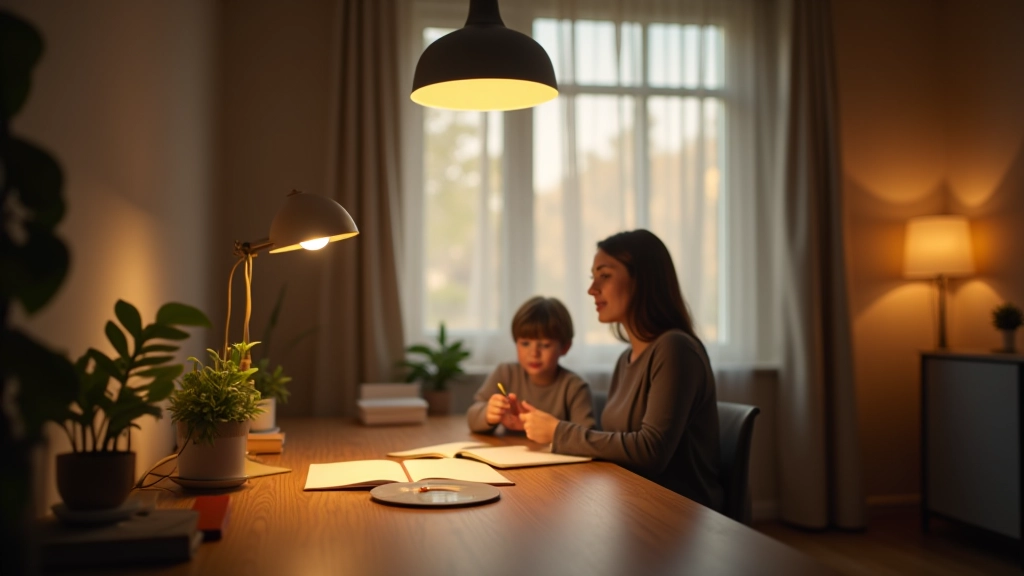
Lighting is your secret weapon. A bright task light above the desk signals "work happens here." Softer ambient lighting over a seating area says "relax." When you switch activities, change the lighting. It's a simple signal to yourself that you're in a different mode.
Smart Furniture That Earns Its Space
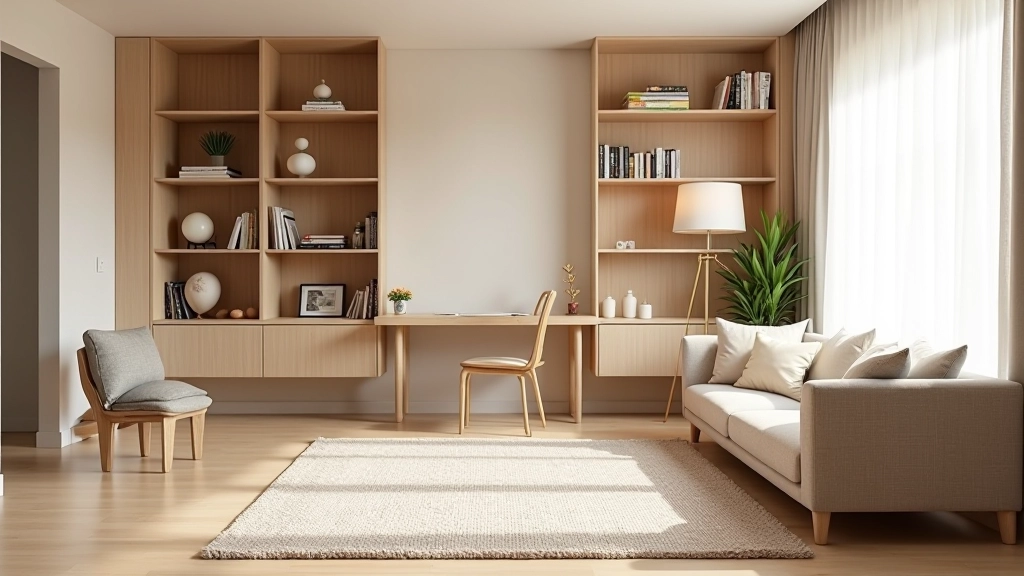
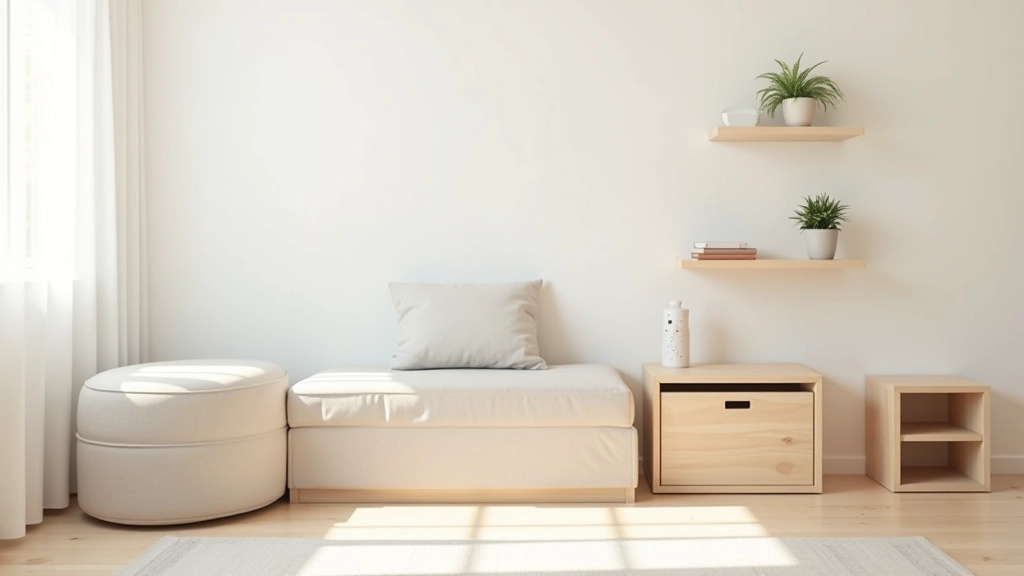
Every piece of furniture in a multipurpose room needs to justify its presence. That means pieces that work harder than traditional single-function items. A storage ottoman isn't just a place to sit — it's where you stash throw blankets, board games, or seasonal items. A desk with shelving above it doesn't waste the vertical space above your workspace.
Wall-mounted desks are game-changers in smaller rooms. They fold away completely or create a thin line when not in use, freeing up floor space for other activities. A murphy bed that disappears into the wall transforms your daytime living area into a proper guest bedroom. These aren't luxuries — they're practical solutions that multiply your room's functionality.
Look for pieces with built-in storage: beds with drawers underneath, nightstands that don't take up much floor space, shelving units that serve as both storage and room dividers. The rule is simple — if it doesn't store something or serve multiple purposes, it probably doesn't belong.
Storage Strategy: Hidden and Visible
Clutter is the enemy of multipurpose rooms. When items are scattered everywhere, you can't mentally shift between activities. Storage needs to be both abundant and accessible. Think vertically — wall-mounted shelves, tall narrow bookcases, and wall pegs maximize storage without eating into floor space.
Visible storage works if it's intentional. A shelf displaying a curated collection of books looks intentional. Piles of work papers and gym clothes do not. Use labeled bins, baskets, and closed cabinets to hide the items you use regularly but don't want on display. When a guest visits or you want to relax, everything's tucked away.
Wall Space
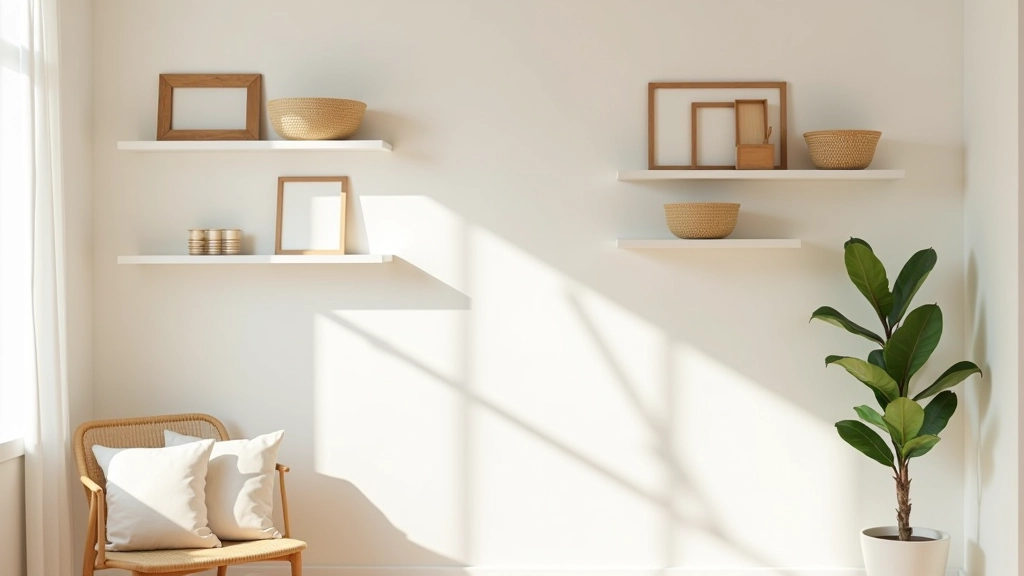
Install floating shelves 12-16 inches apart for books, decor, and functional items without visual heaviness.
Under-Bed Storage
Rolling bins slide under beds for seasonal items, extra bedding, or off-season clothing you don't access daily.
Door-Back Organizers
Over-door racks hold shoes, chargers, office supplies — items you need but don't want taking up shelf or desk real estate.
Practical Steps to Make It Work
Ready to transform your space? Start with these concrete approaches that actually work in real homes.
Measure and Map Your Room
Grab a tape measure and sketch your room to scale. Note windows, outlets, and doors. This takes 15 minutes and prevents costly mistakes. You'll see where zones naturally fit based on light, power sources, and traffic flow.
List Your Essential Activities
What actually happens in this room? Working from home? Hosting overnight guests? Exercise? Kids' homework? Prioritize the 3-4 main activities. You can't accommodate everything equally, so focus on what matters most.
Invest in Flexible Anchors
Get one or two quality pieces that define your zones: a good desk, a comfortable chair, a bookshelf, or a storage unit. These anchors cost more upfront but last years. Cheaper decorative items fill in around them without breaking the budget.
Create a Transition Ritual
Psychologically shifting between activities matters. Close the laptop and dim the overhead light when work ends. Fold up the yoga mat and switch to ambient lighting. These small rituals help your brain recognize you're in a different mode, making the shared space feel less chaotic.
Lighting That Supports Every Activity
Good lighting isn't a luxury — it's essential in a multipurpose room. You need bright, focused light for work. Soft, ambient light for relaxation. Natural light where possible, supplemented with smart bulbs that adjust throughout the day.
Layer your lighting. Overhead fixtures for general illumination, task lighting at your desk, and accent lighting in seating areas. Smart bulbs let you adjust color temperature and brightness without rewiring. Cool white light (4000K) helps you focus during work. Warm white light (2700K) creates a relaxing atmosphere for evenings.
Position task lighting so it illuminates your workspace without creating glare on screens. A desk lamp on either side of your monitor beats a single overhead light. In a sleeping zone, consider a dimmer-compatible fixture or bedside reading lights that don't flood the entire room.
Real Room Configurations That Work
Here's how families actually make this work in 150-250 square foot spaces.
The Home Office + Guest Room
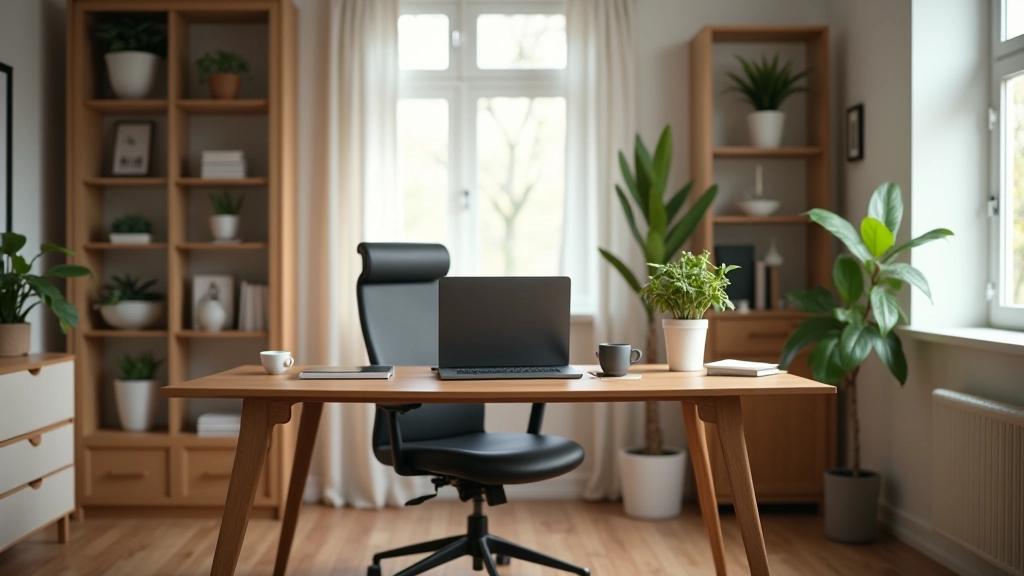
Wall-mounted desk in one corner. Murphy bed or daybed with trundle against the opposite wall. Bookshelf divider between zones. When guests arrive, the desk becomes hidden by closing it, and the room reads as a bedroom. Takes about 10 minutes to transition.
The Kids' Study + Play + Sleep
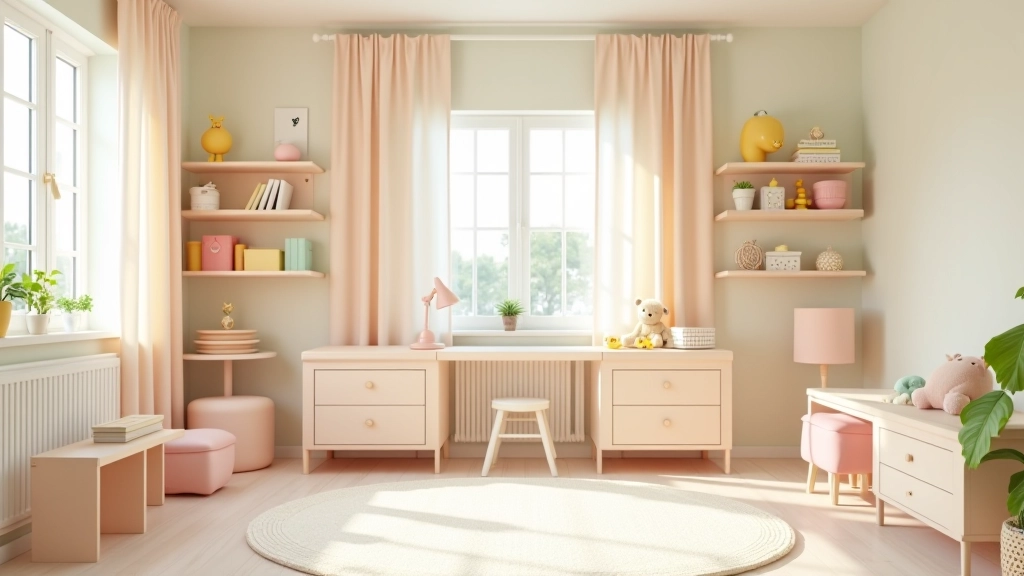
Loft bed with desk underneath for homework. Open floor space for play and movement. Storage cubbies on one wall for toys and school supplies. Rugs define play areas. The bed platform creates a cozy reading nook when you tuck a pillow into one corner.
The Workout + Relaxation Space
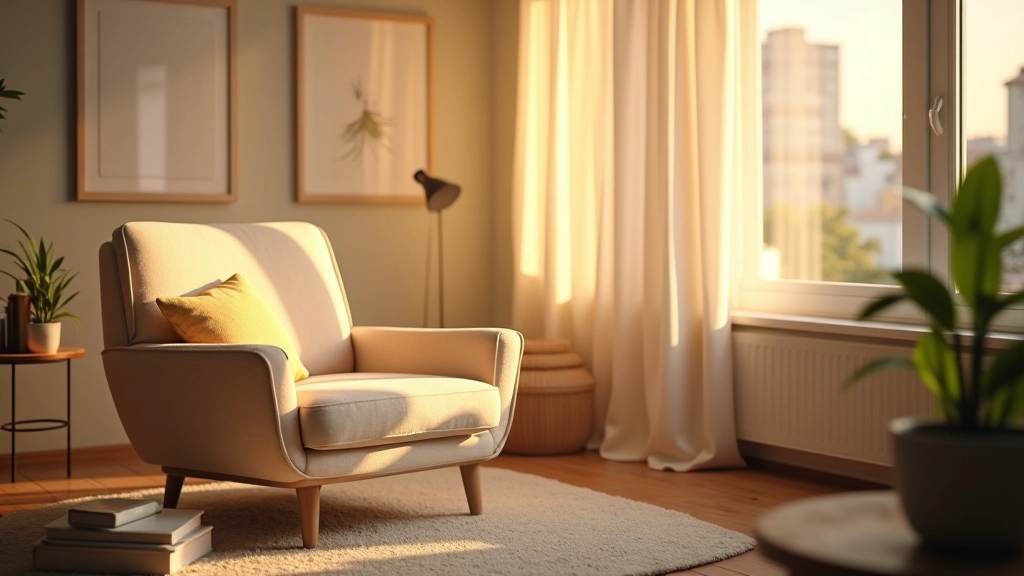
Mirror and barbell rack along one wall for exercise. Yoga mat rolls into a storage bin. Comfortable chair and side table for stretching and relaxation. Soft lighting switches on when you're done. The same room that was energetic during a workout becomes a calm retreat afterward.
Making Your Space Work for You
A multipurpose room isn't about compromise — it's about intentional design. When you understand zoning, invest in flexible furniture, and use lighting strategically, one space genuinely does work for everyone.
Start small. Pick your most important activity and design around that first. Add zones gradually. You don't need to renovate overnight. A few quality pieces, smart storage, and thoughtful lighting create a space that's genuinely functional, not just crowded.
The families who make this work best aren't the ones with the biggest budgets — they're the ones who planned deliberately and made intentional choices. Your room doesn't need to be large. It needs to be smart. And now you know how to build that.
Ready to Design Your Space?
Start with that room sketch and activity list. You'll be surprised how quickly a clear plan transforms a cramped space into something that actually works for your whole family.
Important Note
This guide provides general design principles for multipurpose room planning. Room configurations, furniture placement, and storage solutions vary significantly based on your specific space, building codes, and personal needs. For structural modifications, wall changes, or load-bearing questions, consult with a licensed contractor or architect. The examples provided represent common approaches but may not suit every situation. Always measure your space carefully and test furniture placement before making final purchases.
Related Articles You Might Find Helpful